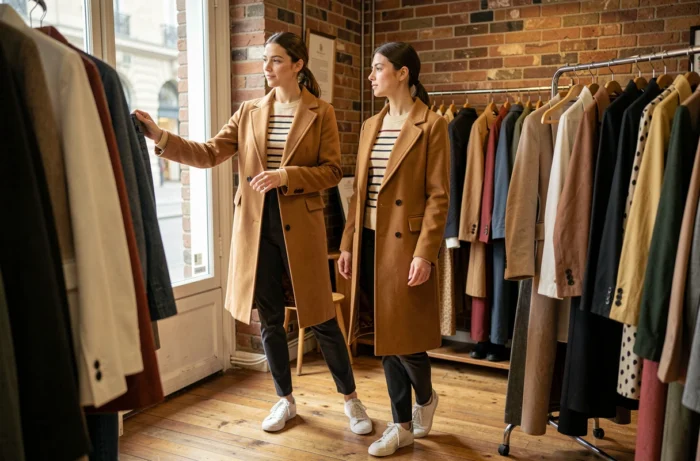
A raw denim worn three days in a row with different tops, and no one notices the repetition. This kind of result relies less on a substantial budget than on a few concrete habits applied each morning in front of the wardrobe. Adopting a unique style every day is primarily a matter of method: knowing which pieces to keep, how to combine them, and where to invest your attention.
Building a wardrobe around durable and traceable pieces
We often talk about capsule wardrobes without mentioning what changes on the manufacturing side. The European regulation on ecodesign (ESPR, Regulation (EU) 2024/1781), which came into effect on July 18, 2024, places textiles among the first product categories concerned. The requirements focus on the durability, reparability, and recycled content of clothing.
In practical terms, the pieces available in stores will gradually gain longevity. Investing in a thick jean, a dense cotton shirt, or a well-cut dress is no longer just an aesthetic choice; it also aligns with an offer that is evolving towards clothing designed to last several seasons.
The digital product passport (DPP), provided for by the same regulation, will soon make visible the composition, origin, and manufacturing conditions of each piece via a simple QR code. When looking to refine one’s style, this transparency helps in sorting: it allows for quicker identification of garments whose quality justifies the purchase, while dismissing those that won’t withstand three washes.
To explore selections that take these criteria into account, one can browse the fashion universe of Toujours Le Bon Choix and spot pieces consistent with a wardrobe designed for the long term.
Casual outfit or chic look: the role of materials and cuts
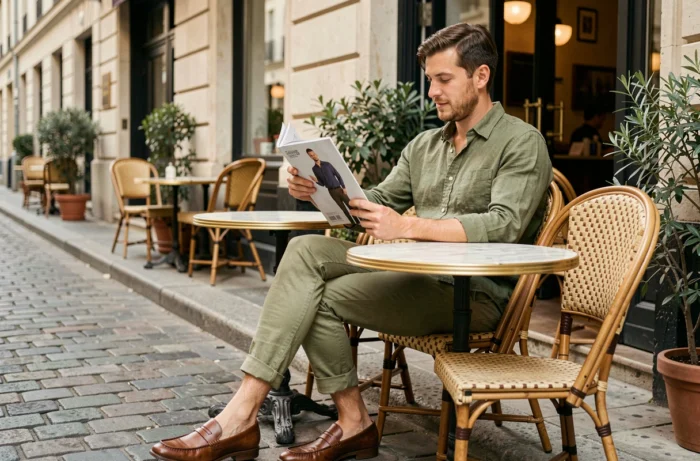
The difference between a successful casual outfit and one that seems neglected rarely lies in the brand. It lies in the cut and the drape of the fabric. A slightly oversized t-shirt in heavy cotton gives a clean result, whereas a thin and shapeless model produces the opposite effect.
Combine textures rather than colors
We are often told to master color combinations, but in practice, playing with textures simplifies the composition of an outfit. A raw denim (matte, rigid) with a twisted knit sweater (volume, texture) creates a visual contrast without thinking about a color wheel.
- Pair a smooth piece (poplin shirt, satin dress) with a textured piece (tweed jacket, boiled wool vest) to create depth without overloading.
- Limit prints to one piece per outfit, with the rest in solid colors, to maintain a clear reading of the look.
- Favor materials that retain their shape after several hours of wear: thick linen, denim, merino wool, twill cotton.
Opinions vary on this point, but a wardrobe composed of five to seven neutral colors (navy, ecru, gray, black, khaki, off-white, camel) covers the vast majority of possible combinations without fatigue.
The cut that changes everything
A well-cut garment worn alone has more impact than a trendy outfit that is poorly fitted. When trying on pants, the length of the hem and the rise matter more than the color. A hem that breaks just above the shoe elongates the silhouette. Pants that are too short or too long disrupt the balance, regardless of the rest of the outfit.
For both women and men, having a ready-to-wear garment tailored is inexpensive and transforms the look. Shortening shirt sleeves or adjusting the waist of a dress is often enough to go from a decent piece to one that looks custom-made.
Accessories and details: where to focus attention for a personal style
Accessories function as identity markers. One recognizes someone’s style by their watch, shoes, or bag long before detailing the rest. Investing in these elements rather than in fleeting trendy pieces creates a more lasting effect.
A quality pair of shoes visually anchors the entire outfit. Well-maintained leather ankle boots or clean white sneakers are enough to structure a casual look or a more dressed-up ensemble. The rest can remain simple.
When it comes to jewelry or belts, the ground rule is straightforward: if you hesitate between two accessories, wear only one. Overloading on accessories muddles the style message and gives the impression of a look composed by accumulation rather than choice.
Fashion trends to filter: keep what serves, ignore the rest
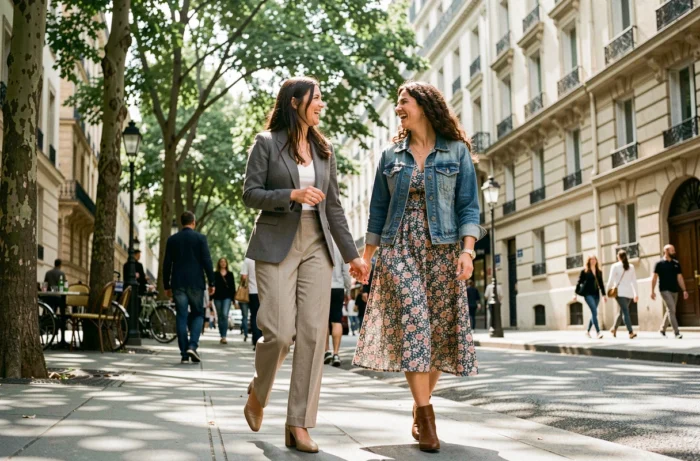
Each season brings its share of micro-trends relayed on social media. Most disappear within a few months. Adopting a trend only if it integrates with pieces already present in the wardrobe avoids unnecessary purchases and clothes abandoned at the back of the closet.
A concrete example: the recurring return of denim in all its forms (jacket, skirt, shirt) works because jeans can be paired with almost anything. Buying a raw denim jacket remains relevant for several years. Buying a full neon denim outfit just because it circulated on a runway is much less so.
What lasts in a wardrobe
- Basics in neutral colors: a trench coat, a navy blazer, a gray crew neck sweater, black straight-leg pants.
- Pieces with high combination potential: a white shirt can be worn under a sweater, open over a t-shirt, tucked into jeans, or tied at the waist.
- Garments whose cut does not depend on a seasonal silhouette: straight pants rather than ultra-flared or ultra-slim cuts, which will come and go.
Building a unique style does not come from accumulating trendy pieces but from the intentional repetition of what works. The most elegant people often wear the same basics, adjusted and maintained, with one or two pieces that rotate according to mood or season. The true style signal is coherence, not constant novelty.