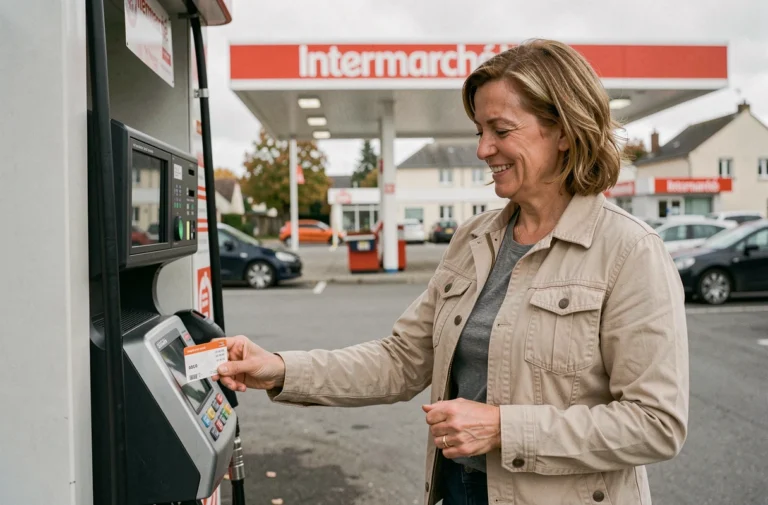
Free goodies refer to any promotional item given at no cost by a brand, a retailer, or an organizer: pen, tote bag, water bottle, sticker, product sample. Their distribution follows a specific marketing logic, that of conditional giving. Understanding this mechanism allows you to target the right channels and increase your chances of receiving them without disproportionate effort.
Promotional Giving Mechanics: Why Brands Offer Goodies
A company that distributes promotional items is not doing charity. It invests in its visibility and brand image. Each goodie carries a logo, a message, or a QR code that turns its recipient into a mobile communication medium.
This logic explains two things. First, brands target specific profiles: qualified prospects, loyal customers, trade show visitors. Second, distribution follows certain rules (purchase threshold, newsletter signup, physical presence at a booth). Identifying these conditions means knowing where and when to position yourself.
To delve deeper into this mechanism and discover how to obtain goodies for free on BeeToBe, the principle remains the same: knowing the levers that companies use to distribute their promotional items helps formulate effective requests.
Geolocalized Deal Applications: Get Free Goodies Near You
Competitors often talk about trade shows and samples by mail. However, a frequently overlooked channel deserves attention: geolocalized deal applications. These apps offer free or nearly free products to be picked up directly in stores, conditioned on physical presence and activating location services on the phone.

The process is simple. The app detects available offers within a few kilometers. The user activates the offer, goes to the store, and picks up the product at no cost. Brands benefit from this: they generate foot traffic in stores and collect attendance data.
To take advantage of these applications without compromising privacy, a few precautions are necessary:
- Activate geolocation only while using the app, then deactivate it. This limits background tracking while accessing local offers.
- Set up targeted alerts for the keywords “free” or “sample” to receive a notification as soon as a free product appears nearby.
- Check the conditions of each offer before heading out: some require a minimum purchase or the creation of a loyalty account.
The geolocalized goodie relies on the exchange of presence for product. This model is different from postal samples, being faster and often of higher quality since the product is handed over in person.
Free Goodies Online: Sample Platforms and Conditional Offers
On the web, channels for distributing free goodies follow three distinct models. Each requires a different investment in time and personal data.
Free Sample Sites
Platforms aggregate sample offers provided by brands. The principle: fill out a form (name, address, sometimes a short questionnaire about consumption habits) and receive a product by mail. The trade-off is always personal data. The email address provided will feed a commercial prospecting database.
To limit exposure, creating a dedicated email address for promotional sign-ups remains the most effective precaution. This prevents flooding your main inbox with newsletters.
Threshold Purchase Offers on Online Stores
Many online stores offer a free goodie when the cart exceeds a certain amount. This mechanism, very common in cosmetics and fashion, automatically adds the gift to the cart once the condition is met. The trick is to group planned purchases to reach the threshold in a single order rather than placing several small orders.
Loyalty Programs and Rewards
Loyalty programs increasingly incorporate surprise moments: a gift for a birthday, a reward after accumulating a certain number of points, a goodie sent unexpectedly to reactivate an inactive customer. These mechanics, called “surprise and delight” in marketing jargon, work because the recipient has not asked for anything. Staying signed up and active in the programs of your usual retailers is enough to benefit.
Getting Goodies from Individuals: Donation Platforms
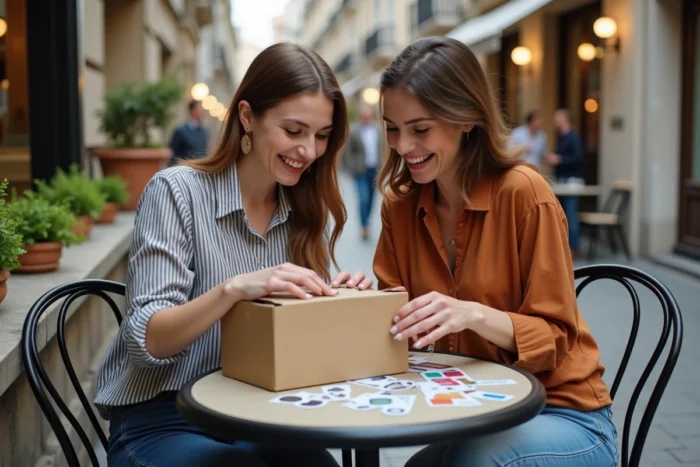
A rarely discussed angle concerns recovering goodies through community donation platforms. Platforms like Freecycle or the TrashNothing app allow you to pick up a variety of items for free, including merchandise, promotional gadgets, or advertising items that the owner no longer needs.
This circuit operates on a principle of geographical proximity. A donor posts an ad, a receiver responds, and comes to pick up the item. Corporate goodies (branded mugs, USB drives, notebooks, fabric bags) regularly appear there, often in lots.
The interest goes beyond simple financial gain. Recovering an already produced item rather than causing a new one to be made is part of an eco-responsible reuse approach. For collectors or merchandising enthusiasts, these platforms represent an underutilized resource.
What Distinguishes a Good Approach from a Waste of Time
Searching for free goodies can quickly become time-consuming if the method lacks rigor. The profitability of the approach relies on prior sorting: targeting two or three reliable channels rather than signing up on dozens of sites, systematically checking conditions before providing your details, and limiting the volume of shared data to the strict minimum.
The most interesting goodies in terms of quality generally come from trade shows and loyalty programs of specialized retailers. Postal samples offer a regular flow but are often limited to miniature formats. Geolocalized applications position themselves between the two, with products sometimes in full size but availability varying by geographical area.
The most reliable filter remains coherence: if an offer requires more personal information than the perceived value of the goodie, it probably isn’t worth the effort.